
Our Solutions
The Means to
Lower Energy Cost and
Better Asset Performance.
Measurement, automation and energy technology, applied on evidence.
Outcomes first. Technology as the means.
Three Connected Solutions
Technology in Service of Energy Performance
We help commercial and industrial facilities reduce energy cost, improve asset performance and manage energy more intelligently, using measurement, automation and energy technology. Each solution is recommended individually or together, depending on what the facility actually needs.
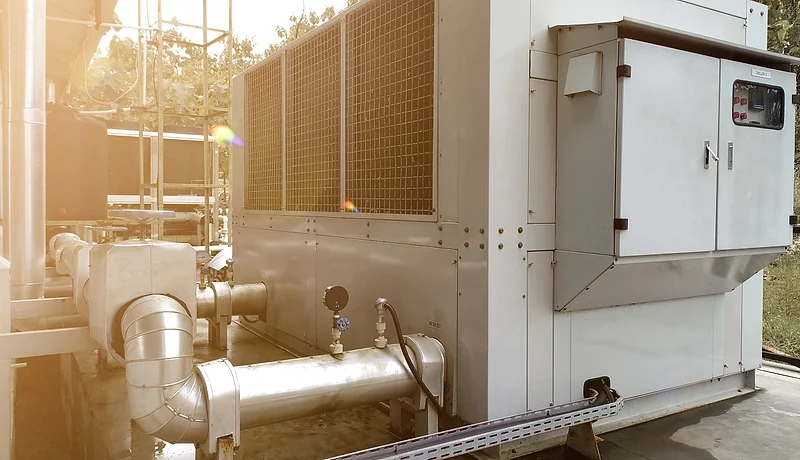
Energy Efficiency
Reduce HVAC energy cost by matching motor speed to actual demand.
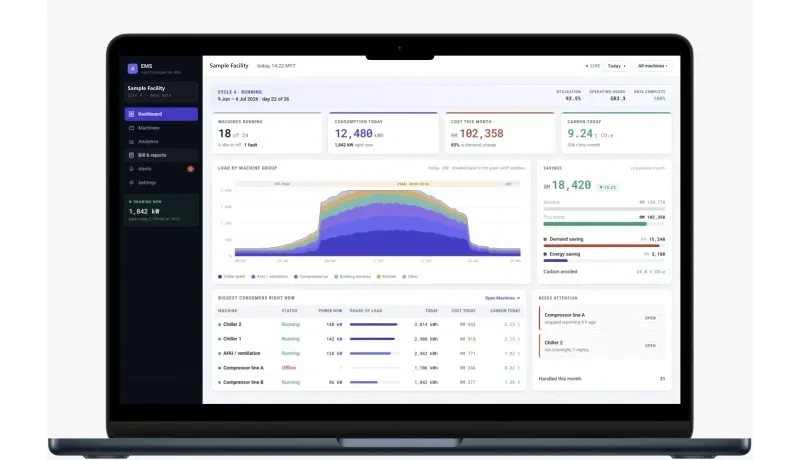
Energy Monitoring System
Turn energy data into actionable business decisions with EneraX.
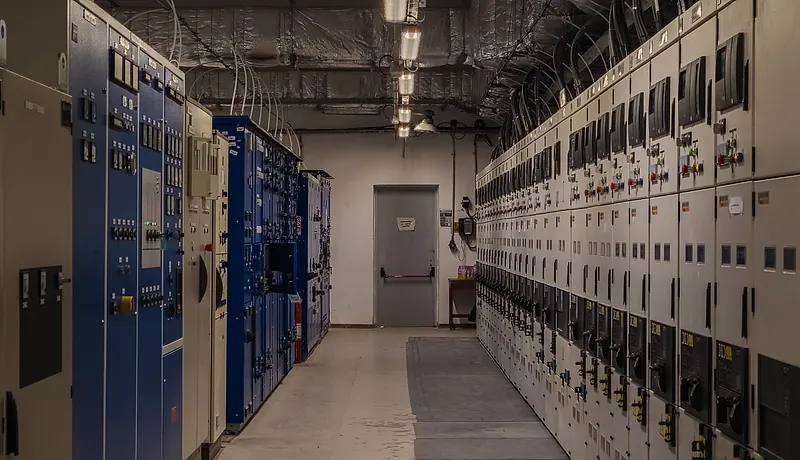
Battery Energy Storage System
Reduce peak demand and electricity cost where the economics justify it.
Greater Impact When Solutions Work Together
Monitoring shows where energy and money are going, intelligent control reduces waste at the equipment, and storage manages demand where the economics justify it. Combined, they give management a clearer, verified picture of energy performance.
Discuss Your Requirements- Energy Efficiency
- Energy Monitoring
- Battery Storage
Solution Delivery
From Opportunity to Verified Results
Every solution is shaped around the facility, recommended on evidence and measured against a clear performance baseline.
01
Understand
Review operating conditions, consumption patterns and business priorities.
02
Design
Select only the efficiency, monitoring and storage measures the evidence supports.
03
Deploy
Implement the solution around live operational requirements.
04
Verify
Measure results against the baseline and identify further improvement.
Performance Framework
How We State Performance Figures
Typical, recorded and independently tested figures are kept separate, so each number carries its own context.
30 – 50%
Typical expected energy savings
subject to application and operating conditions
Up to ~60%
Recorded savings range
based on selected installations
53.4 – 60.9%
Independent test results
controlled tests by SIRIM QAS International
~2 – 3 years
Typical payback
subject to site conditions and operating profile
Figures relate to HVAC motor applications such as air handling units, cooling towers, pumps and ventilation. Recorded results are presented as a general range without identifying customers, and some installations were pilot projects. Independent test results were obtained under controlled test conditions and do not represent the performance of every installation. Savings and payback at any facility depend on equipment type and condition, load profile, operating hours and electricity tariff.
Common Questions
Understanding the Solutions
Digital Variable Drive Control (DVDC – GEN 7) is an adaptive digital motor control system for HVAC equipment. It combines power electronics, multi-sensor feedback and adaptive control algorithms to adjust voltage and frequency to the instantaneous HVAC load, so motor speed and torque follow actual demand instead of running at a fixed speed.
An Energy Monitoring System measures and reports how energy is consumed across a facility. It shows management where energy is used, what it costs and how equipment is performing, establishes a baseline before improvement work begins, and verifies the result afterwards.
A Battery Energy Storage System stores electrical energy so it can be used at a more valuable time — typically to reduce peak demand, shift load to lower-cost periods or store on-site solar generation. Agile only recommends BESS where the facility's load profile and economics justify it.
No. Each solution delivers value on its own. Monitoring is often implemented first because it establishes the baseline that makes efficiency results measurable, but the right combination depends on your facility, equipment and operating profile.

Let's Find the Right Solution for Your Operation.
Talk to our team about your facility, energy profile and operational goals.