Energy Efficiency (DVDC)
Intelligent Energy
Optimisation for
HVAC Systems.
Reduce HVAC energy cost by matching motor performance to real-time demand.
Efficient Systems. More Sustainable Operations.
The Challenge
HVAC Systems Consume Significant Energy
Many HVAC systems operate with fixed-speed motors and conventional control strategies, which can lead to unnecessary energy consumption, higher operating costs and reduced efficiency when actual demand changes.
The Solution
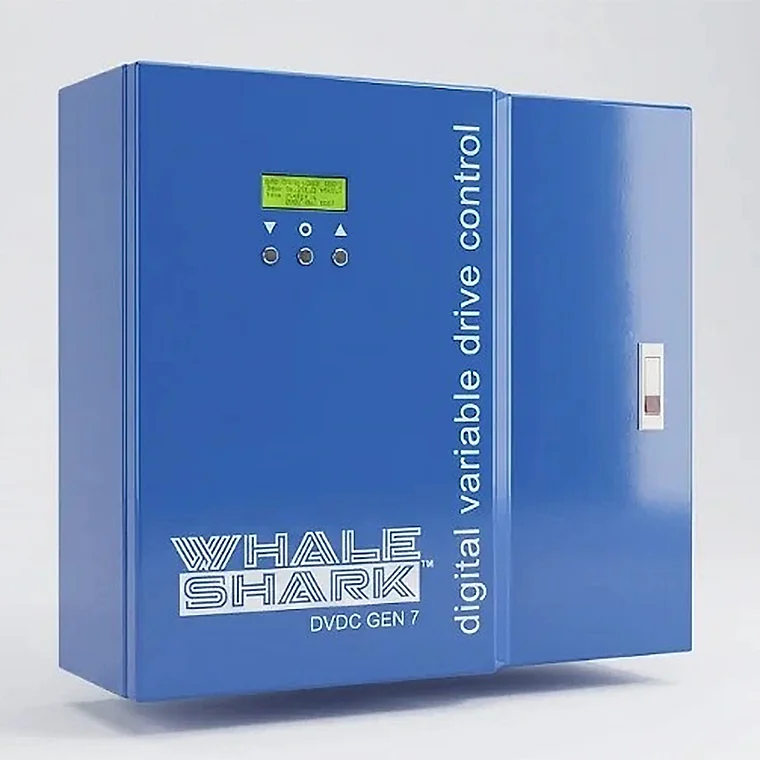
Digital Variable Drive Control (DVDC – GEN 7)
DVDC is an adaptive digital motor control system that combines power electronics, multi-sensor feedback and adaptive control algorithms to match motor output to real-time demand.
- Typical energy savings of 30–50%, subject to application and operating conditions
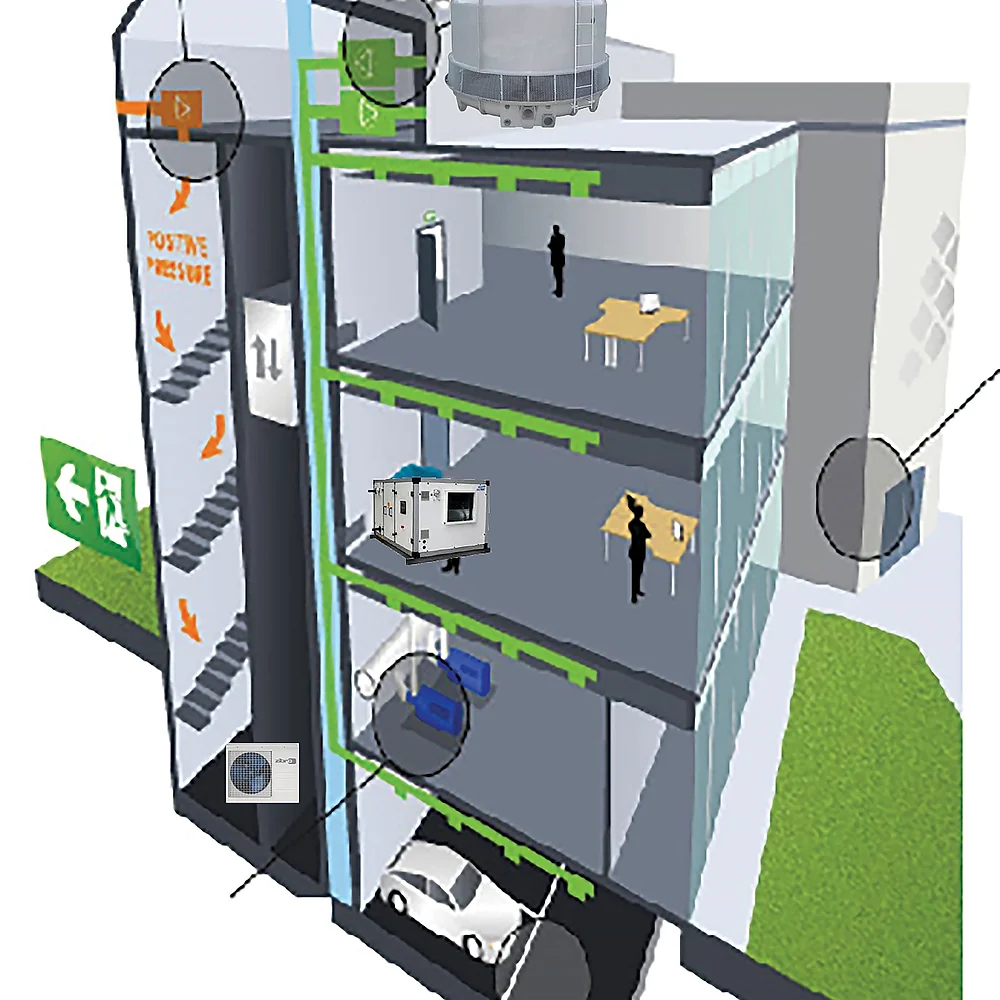
- Works with AHUs, cooling towers, pumps and ventilation fans
- Adaptive, fully automated control
- Independently tested by SIRIM QAS International
- Smarter Control
- Lower Energy Use
- Demand-Matched Operation
Key Benefits
Performance, Stated in Context.
30 – 50%
Typical expected energy savings
subject to application and operating conditions
Up to ~60%
Recorded savings range
based on selected installations
53.4 – 60.9%
Independent test results
controlled tests by SIRIM QAS International
~2 – 3 years
Typical payback
subject to site conditions and operating profile
Figures relate to HVAC motor applications such as air handling units, cooling towers, pumps and ventilation. Recorded results are presented as a general range without identifying customers, and some installations were pilot projects. Independent test results were obtained under controlled test conditions and do not represent the performance of every installation. Savings and payback at any facility depend on equipment type and condition, load profile, operating hours and electricity tariff.
Applications
Proven Across HVAC Systems
DVDC delivers the greatest value where motor speed and load vary dynamically. Figures are typical ranges, subject to operating conditions.
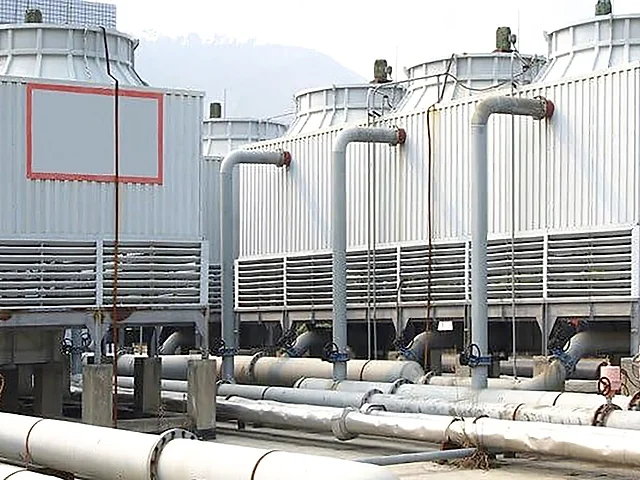
Cooling Towers
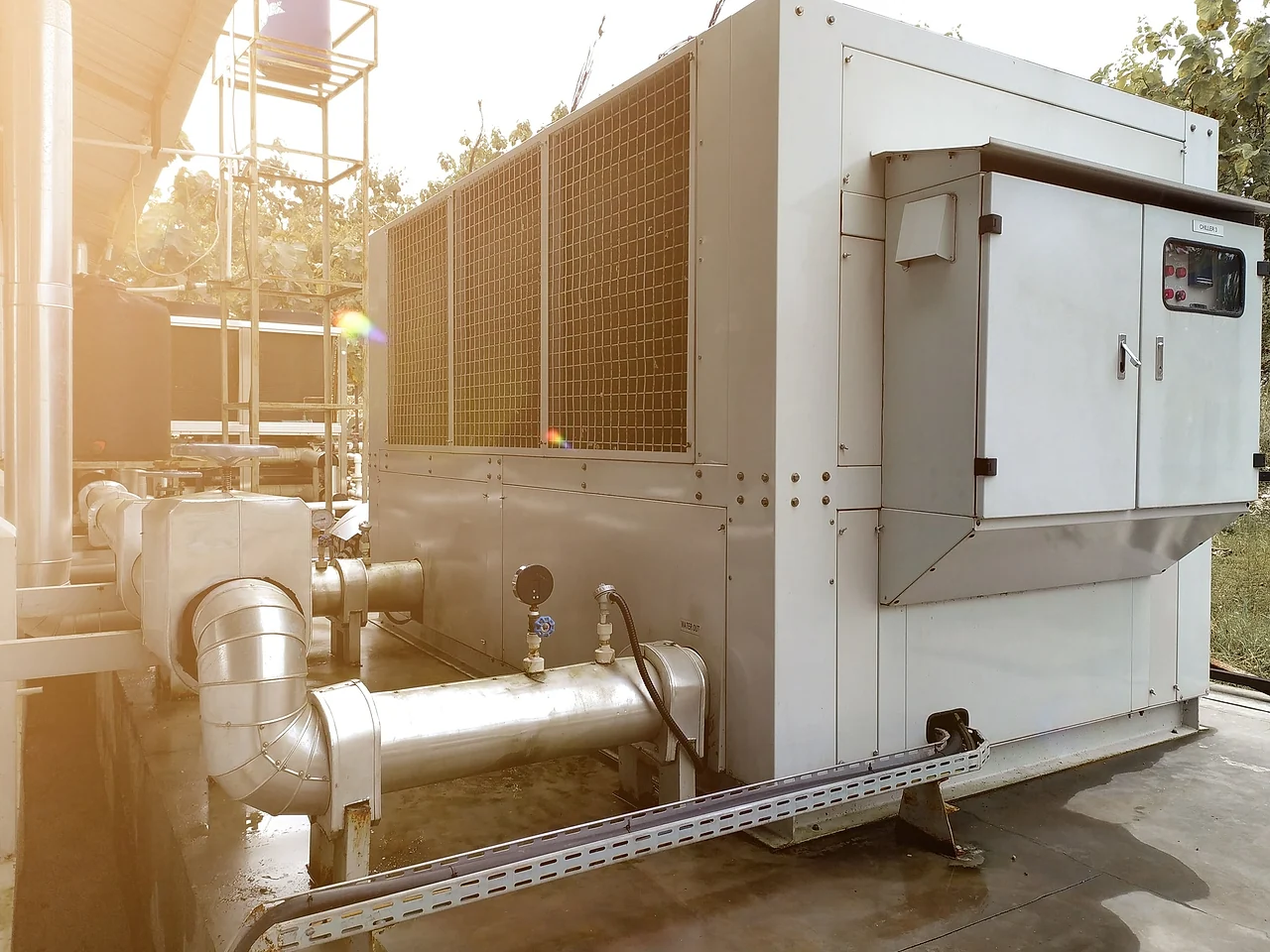
Regulates fan speed to match thermal demand and prevent overcooling.
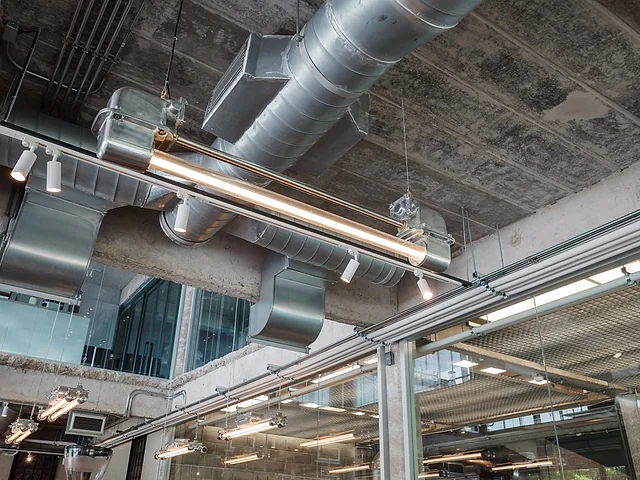
Air Handling Units
Modulates fan speed based on room temperature and occupancy level.
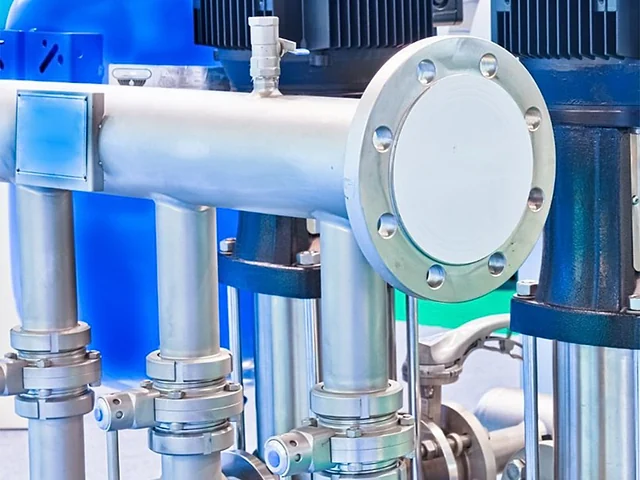
Chilled & Condenser Water Pumps
Uses pressure and flow sensors to match pump speed with cooling demand.
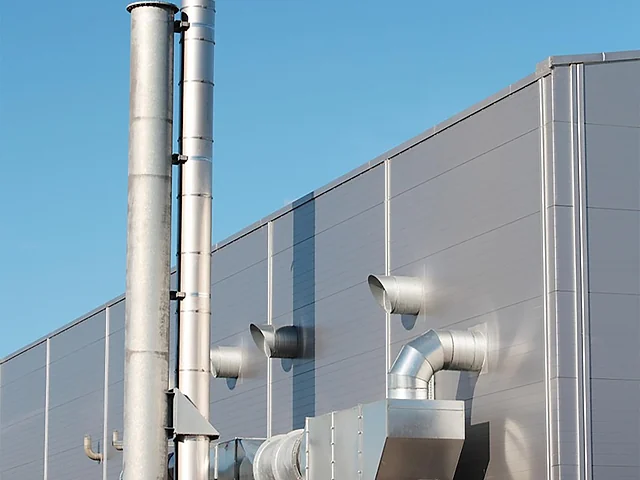
Ventilation Systems
Uses CO₂ and temperature sensors for demand-based airflow control.
How It Works
Sensing, Analysis and Real-Time Optimisation
DVDC continuously reads the operating environment and adjusts motor performance to match instantaneous load.
01
Sensing
Captures real-time data from multiple HVAC sensors including temperature, pressure and CO₂.
02
Analysis
The onboard microprocessor interprets the signals for instantaneous load demand.
03
Optimisation
Adjusts motor voltage and frequency dynamically to match torque and speed demand.
04
Control Loop
Responds in under 500 ms for precise, real-time load matching and stability.
05
Protection & Learning
Detects faults and auto-resets within seconds, and self-calibrates to maintain efficiency.
Suitability
Where DVDC Delivers Maximum Value
Energy efficiency is greatest when motor speed and load vary dynamically. The table below summarises where DVDC is most and least suitable.
| HVAC System Type | Key Motor Components | DVDC Suitability |
|---|---|---|
| Chilled-Water Plant | AHU fans, chilled & condenser water pumps, cooling tower fans | Highly suitable |
| Air-Cooled Chiller | Condenser fans, pumps | Good |
| DX / Packaged Units | Evaporator fans, condenser fans | Partial |
| VRF / VRV Systems | Inverter compressor, built-in controls | Not recommended |
| Critical / Precision HVAC (clean rooms, MRI) | Precision AHUs, laminar flow fans | Conditional |
| High-Inertia Ventilation (large tunnel fans) | Massive axial fans over 200 kW | Conditional |
| Legacy Fixed-Speed Motors | Older motors, star-delta starters | Upgradable |
Refrigerant compressors in non-inverter systems and VRF/VRV main drives offer limited or no value and are not recommended.
Independent Validation
Independent Test Results
DVDC has been independently tested by SIRIM QAS International in two controlled tests. The first, from 24 November to 7 December 2020, recorded a 53.4% energy reduction with temperature held within ±0.4°C. The second, from 10 to 26 September 2025 on an air handling unit fitted with DVDC, recorded 60.92% lower daily HVAC energy use with temperature and humidity stable throughout.
These are controlled test results. Each relates to the specific equipment and conditions tested, and neither represents the expected result of every installation. Typical savings across suitable HVAC applications are 30–50%, subject to application and operating conditions.
Where agreed for a specific project, Agile can offer minimum energy-savings commitments supported by warranty coverage and nationwide technical support. Any such commitment applies only where it is set out in a signed agreement.
Test Results in Context
- SIRIM QAS International controlled test, 24 Nov – 7 Dec 2020: 53.4% energy reduction, temperature within ±0.4°C
- SIRIM QAS International controlled test, 10 – 26 Sep 2025: 60.92% lower daily HVAC energy use on the unit tested
- Carbon reduction calculated in the 2025 test: 21,363 kg per year for the unit tested
- Controlled test results are not the expected result of every installation
- Listed under MyHijau; purchasers may apply for MIDA green technology incentives, subject to eligibility and approval
Common Questions
DVDC Explained
Digital Variable Drive Control (DVDC – GEN 7) is an adaptive digital motor control system for HVAC equipment. It combines power electronics, multi-sensor feedback and adaptive control algorithms to adjust voltage and frequency to the instantaneous HVAC load, replacing fixed-speed or conventional drive control that would otherwise run the motor at full output regardless of demand.
DVDC senses temperature, pressure and CO₂, interprets instantaneous load demand on an onboard microprocessor, and adjusts motor voltage and frequency to match the required torque and speed. The control loop responds in under 500 ms, so the motor draws only the energy the current load requires. Typical savings are 30–50%, subject to application and operating conditions.
Conventional VFD and VSD units typically rely on static, manually tuned control. DVDC adds adaptive control, multi-sensor feedback from temperature, CO₂ and pressure, automatic fault recovery in around 15–20 seconds rather than a manual reset, and BMS and IoT integration with real-time data. It also isolates the motor from the mains during non-run cycles and shuts the motor down when it is not required.
Yes. DVDC is compatible with both retrofit and new installations, and legacy fixed-speed motors and star-delta starters are among the most upgradable applications. It works with AHUs, cooling tower fans, chilled and condenser water pumps and ventilation systems.
Typical payback is approximately 2–3 years, subject to site conditions, operating hours, operating profile and electricity tariff. The payback for a specific facility is estimated during assessment. The system is designed for a service life of more than 10 years.
Not necessarily. The SIRIM QAS International figures of 53.4% and 60.92% were obtained in controlled tests on specific equipment. Typical savings across suitable applications are 30–50%, and the figure for your facility depends on equipment type and condition, load profile and operating hours.
Green technology assets listed under MyHijau may qualify for incentives such as the Green Investment Tax Allowance administered by MIDA. Eligibility is not automatic: it depends on the applicant, the asset and the criteria in force at the time, and requires an application and approval. We recommend confirming the applicable incentive with MIDA or your tax adviser.
Experience
Applied in Real Facilities
DVDC is installed across commercial buildings, hotels and resorts, shopping malls, hospitals, airports and industrial facilities in Malaysia.
See How DVDC Can Improve Your Facility.
Talk to our team about your HVAC systems and energy-saving opportunities.